Buying a Hobby Farm Near Jackson, MS: What to Check Before You Buy
By Jeff Hadley, Real Estate Advisor | Real Broker, LLC
It usually starts with a picture in your head: a porch that looks out over a pasture, a couple of horses or a few head of cattle, a garden, chickens, and kids who know what it means to do chores before school. Then you start looking at listings, and the questions pile up. How many acres do we really need? Is that fence any good? Can we even keep animals there?
A hobby farm can be one of the best decisions a family ever makes. It can also turn into an expensive project if you buy the wrong place. Here's what I tell buyers to check before they fall in love with a property near Jackson.
Key Takeaways
- Start with how you'll use the land. Horses, cattle, a garden, and a homestead each need different acreage, soil, and setup.
- Mississippi State University Extension suggests about 2 to 3 acres of average pasture per mature horse, less on well-managed pasture.
- Fencing, water, and barns are expensive to add. Value what's already there, and inspect it closely.
- Check zoning, covenants, and flood zones before you buy. Not every rural-looking property allows livestock.
- Rural lenders such as Farm Credit associations often finance acreage that conventional lenders won't.
In This Guide
- Start with how you'll use the land
- How many acres do you really need?
- Water: wells, ponds, and creeks
- Fencing, barns, and outbuildings
- Zoning, covenants, and flood zones
- Soil, pasture, and drainage
- Financing a hobby farm
- The real cost of country living
- Frequently asked questions
1. Start With How You'll Use the Land
Before you look at a single listing, write down what you want to do on the property in the next five years. Be specific:
- Horses for riding, or cattle for beef?
- Goats, chickens, or a big vegetable garden?
- Hunting or fishing on the property?
- A shop, a barn, or room to build a second home later?
That list becomes your filter. A beautiful 20-acre tract of hardwoods may be perfect for hunting and wrong for horses. A 10-acre open pasture might be ideal.
2. How Many Acres Do You Really Need?
More land isn't always better. It's more to mow, fence, and pay taxes on. A few general guidelines:
- Horses: Mississippi State University Extension suggests about 2 to 3 acres of average pasture for a mature horse, and as little as 1 to 1.5 acres on productive, well-managed pasture. Poor pasture or drought can push that higher.
- Cattle: Needs vary widely with forage quality and management. Plan on more acreage per cow than per horse on most central Mississippi pasture, and talk to your county Extension agent about stocking rates.
- Chickens, goats, and a large garden: Often workable on 2 to 5 acres.
- Homesite plus buffer: Many families find 5 to 15 acres gives them privacy, room for animals, and a manageable workload.
Rotational grazing, buying hay, and good pasture management can stretch every acre further.
3. Water: Wells, Ponds, and Creeks
Water is the first thing I check on a hobby farm.
- Household water: Is the home on rural water service or a private well? If it's a well, ask about its age, depth, and pump, and have the water tested before closing.
- Livestock water: Are there water lines and hydrants to the pastures, or will you be hauling water? A pond is great for cattle, but it needs a good dam and regular maintenance.
- Creeks and low ground: Beautiful to look at, but check whether they flood and how that affects your usable acreage.
4. Fencing, Barns, and Outbuildings
Good fencing and barns can add real value. Bad ones are a liability you'll pay to remove.
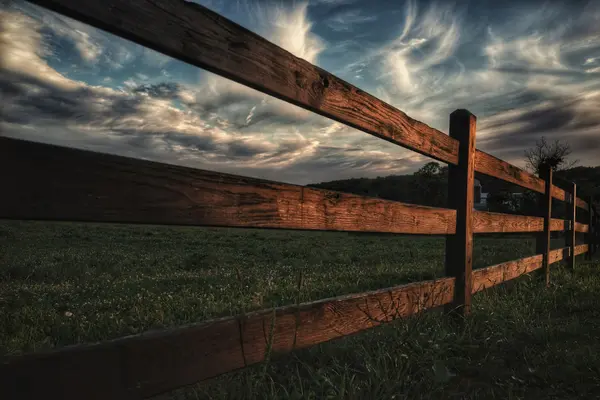
- Fencing: Walk the entire fence line. What type is it (barbed wire, woven wire, board, electric), what condition is it in, and does it suit the animals you plan to keep? Horses and goats have very different fencing needs.
- Barns: Check the roof, framing, stalls, electrical, and drainage around the barn.
- Shops and sheds: Confirm they're on the property (a survey helps) and that they have power if you need it.
- Gates and access: Can a truck and trailer get in, turn around, and get back out?
Get rough replacement costs for anything that needs work and factor them into your offer.
5. Zoning, Covenants, and Flood Zones
A property can look rural and still have rules that limit what you can do.
- Zoning: Properties inside city limits, and some county areas, may limit livestock or the number of animals. Check with the city or county before you buy.
- Covenants: Many subdivisions with acreage lots have restrictions on livestock, outbuildings, or mobile homes. Read them.
- Easements: Power line, pipeline, and access easements can affect where you build or fence.
- Flood zones: Check FEMA flood maps. Flood zones affect where you can build, what insurance costs, and where you can safely keep animals.
6. Soil, Pasture, and Drainage
- Pasture quality: Is it established grass, such as bahiagrass or bermudagrass, or overgrown and weedy? Reclaiming pasture takes time and money.
- Soil test: A soil test through the MSU Extension Service is inexpensive and tells you what the pasture or garden will need.
- Drainage: Visit after a heavy rain if you can. Standing water around barns, gates, and feeding areas becomes mud for months.
- Septic: If there's no sewer, have the septic system inspected. If you're building, confirm the site can support one.
7. Financing a Hobby Farm
Acreage properties don't always fit a conventional mortgage. Some lenders limit how much land they'll finance or how much value they'll give barns and outbuildings.
- Farm Credit associations: Rural lenders such as Southern AgCredit and First South Farm Credit regularly finance rural homes, land, and small farms in Mississippi.
- Conventional and government loans: These can work on smaller acreage with a home. Ask the lender early about acreage limits.
- Land and home separately: If you're buying bare land to build, you may need a land loan first and a construction loan later.
Talk to a lender before you shop so you know which properties actually fit your financing.
8. The Real Cost of Country Living
Budget beyond the purchase price:
- A tractor or mower and the equipment to go with it
- Fence repair and pasture maintenance
- Hay, feed, and veterinary care
- Insurance for the home, barns, and possibly liability for animals
- Your time. A hobby farm is a lifestyle, and it's one many families love.
Frequently Asked Questions
How many acres do I need for a horse in Mississippi?
MSU Extension suggests about 2 to 3 acres of average pasture per mature horse, and as little as 1 to 1.5 acres on productive, well-managed pasture.
Can I keep chickens or livestock anywhere outside the city?
Not always. Check county or city zoning and any subdivision covenants before you buy.
Is it hard to get a loan for a hobby farm?
It can be with some conventional lenders. Farm Credit associations and other rural lenders often specialize in acreage properties.
Should I test the well water?
Yes. Have the water tested before closing, and ask about the well's age, depth, and pump.
Is it better to buy a hobby farm or buy land and build?
Buying an established farm saves time on fencing, water, and pasture. Building lets you design everything your way but takes longer and often costs more up front.
Let's Find the Right Place for Your Family
If you're dreaming about a few acres, a barn, and room to breathe within driving distance of Jackson, I'd love to help you find it. I'll help you separate the great properties from the money pits and connect you with lenders who understand rural property.
Call or text Jeff Hadley at 601-951-5318 or visit jeffhadley.com.
Jeff Hadley is a Real Estate Advisor with Real Broker, LLC serving Hinds, Madison, and Rankin counties. This article is general information, not legal, financial, or agricultural advice. Confirm zoning, lending, and land-use details with the appropriate professionals and local officials.
Categories
Recent Posts